- Home
- About Us
- Products
- Conveyors
- Belt Conveyor
- Trough Type Belt Conveyors
- Food Grade Belt Conveyors
- Modular Belt Conveyors
- Flat Belt Conveyors
- PVC Belt Conveyors
- Cleated Belt Conveyor
- Sidewall Cleated Belt Conveyor
- Packing Belt Conveyor
- Packing Line Conveyor
- Bag Transfer Conveyor
- Box Shifting Conveyor
- Cold Storage Conveyor
- Inspection Belt Conveyor
- Inclined Belt Conveyor
- Assembly Line Conveyors
- Plastic Modular Belt Conveyor
- Plastic Modular Conveyors
- Portable Loading Conveyors
- Loading Conveyors
- Screw Conveyor
- Chain Conveyors
- Roller Conveyor
- Bucket Elevator
- Turntable Conveyors
- Bulk Material Handling
- High Angle Cleated Belt Conveyor
- Gates & Divertors
- Spares Of Various Equipments
- Belt Conveyor
- Feeder
- Dust Control Equipment
- Bag Filling Machine
- Vibratory Screen
- Crusher
- Baler
- Chemical Process Equipment
- Conveyors
- Updates
- Gallery
- Contact Us
Portable Loading Conveyors
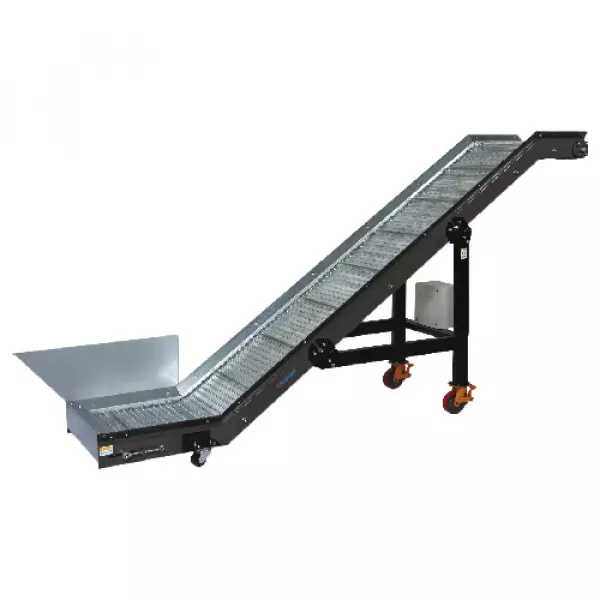
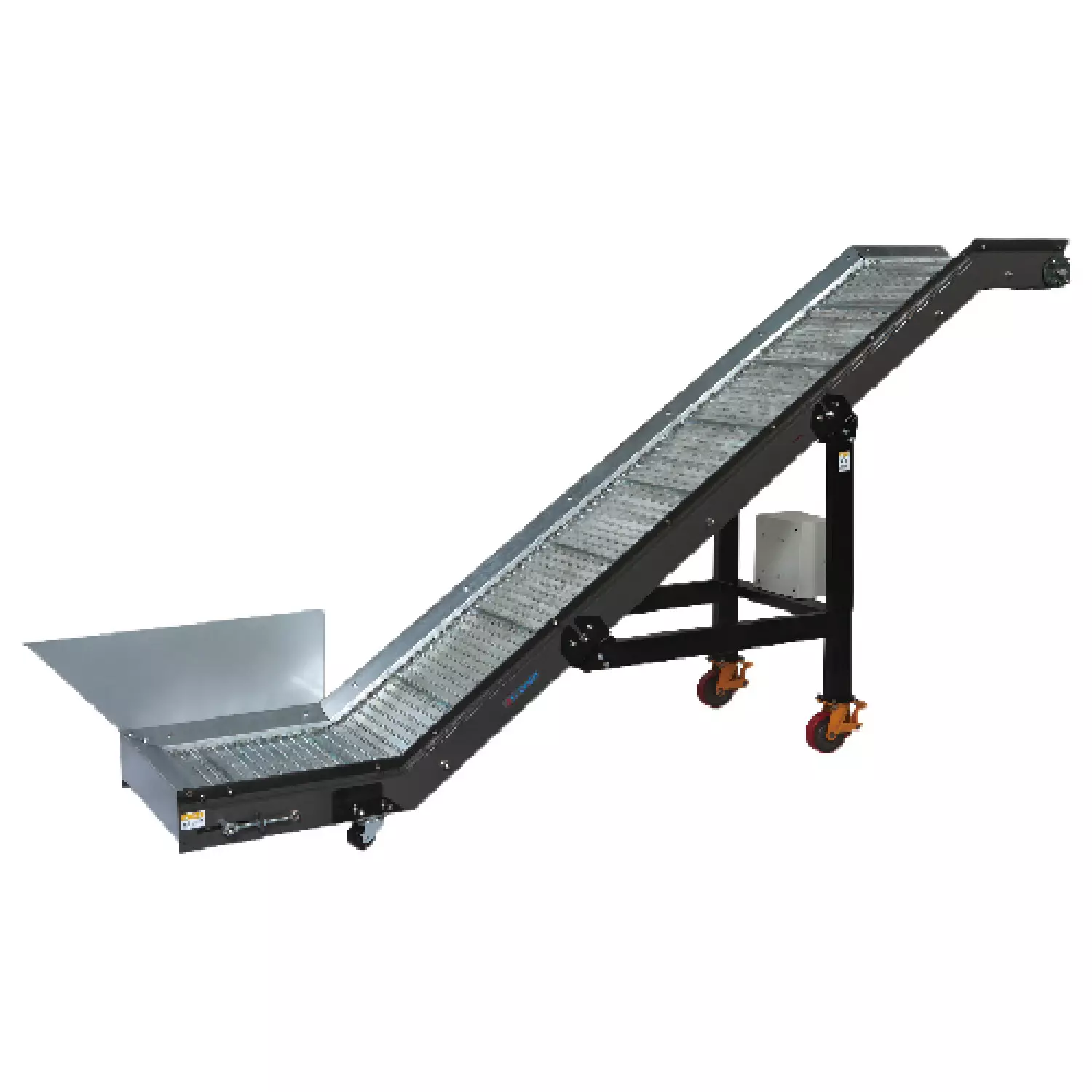
Portable Loading Conveyors Details
Loading work doesn’t always happen at one fixed point. When the working position changes, a fixed conveyor arrangement may not match the requirement. We manufacture and export Portable Loading Conveyors in Nepal for businesses that need a conveyor which can be moved and positioned as required for their loading work.
We’ve been manufacturing industrial equipment since 2005. This experience has shown us that loading requirements can differ even when customers handle similar materials. The material, loading point, receiving point and available working area need to be checked before deciding the conveyor arrangement.
Loading Where the Work Needs It
The main idea behind a Portable Loading Conveyor is practical movement. Instead of keeping the conveyor permanently tied to one working location, its portable arrangement allows it to be positioned for the required loading activity. This can be useful where loading points change as part of regular operations.
Still, portability alone doesn’t decide whether a conveyor is right for the job. We first understand what needs to be loaded and how the transfer takes place. Our engineers then work with the shared application details rather than adding features that aren’t required.
Basic Requirement Details
| Information | What We Need to Understand |
|---|---|
| Material | Product or material being loaded |
| Loading Point | Where conveyor movement begins |
| Receiving Point | Where material needs to reach |
| Work Area | Space and route available for loading work |
Our equipment range is appreciated for robust construction, high strength, operating efficiency and longer functional life. For Portable Loading Conveyors in Nepal, share your loading and material movement details with us. We’ll review your requirement and discuss a suitable conveyor arrangement.
Related Products
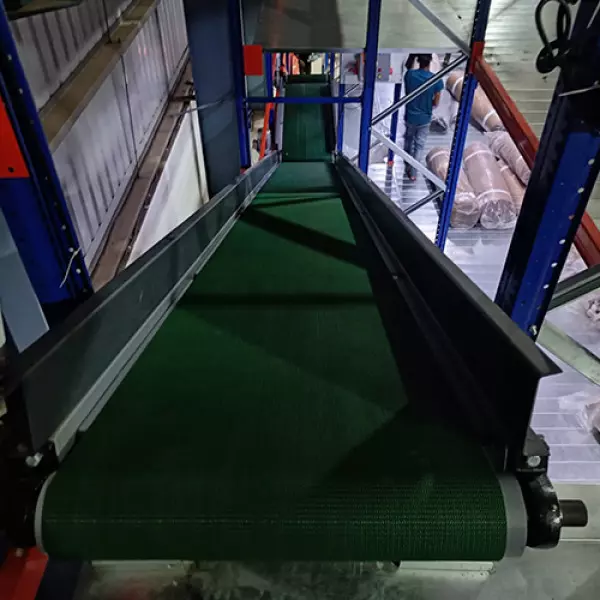
Belt Conveyor
Not every material needs a complicated handling setup. Many jobs simply need a steady way to move products between work ... Continue
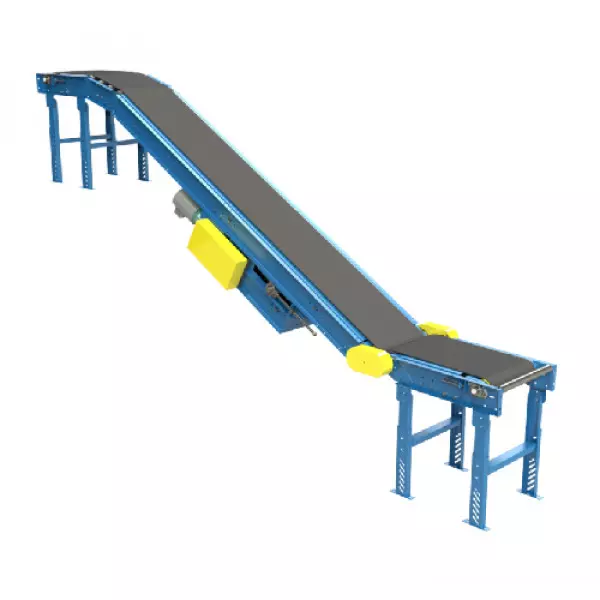
Inclined Belt Conveyor
When material has to move from a lower point to a higher point, or between different working levels, a straight horizont... Continue
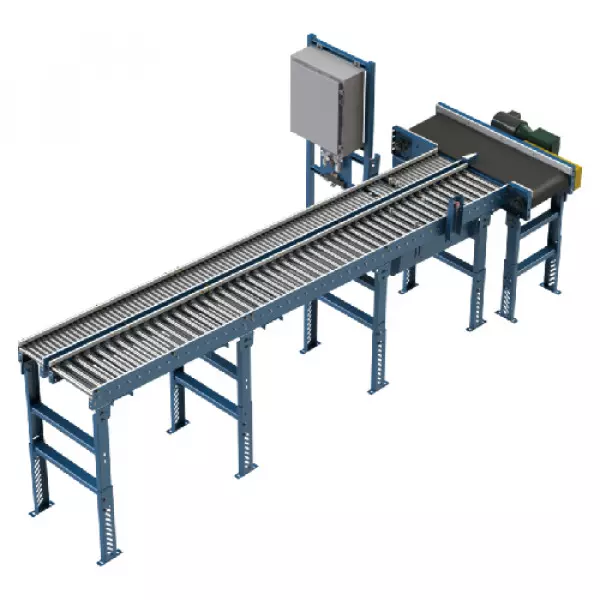
Assembly Line Conveyors
An assembly process works better when material has a clear path from one work point to the next. Too much manual shiftin... Continue
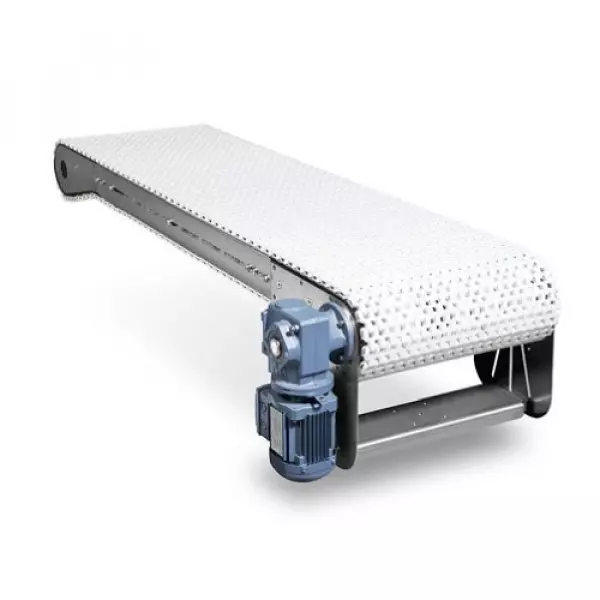
Plastic Modular Belt Conveyor
A conveyor belt doesn’t always have to be made as one continuous belt surface. Some handling jobs call for a modul... Continue
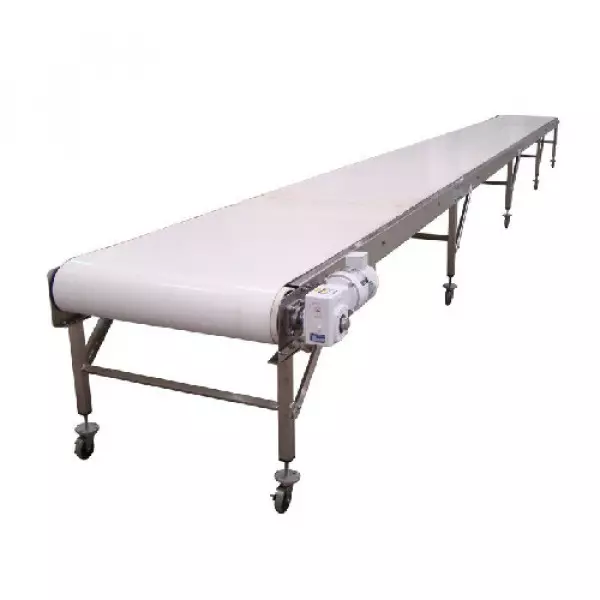
Plastic Modular Conveyors
A straight conveyor route is only one kind of material movement. Some production and handling layouts need products to m... Continue
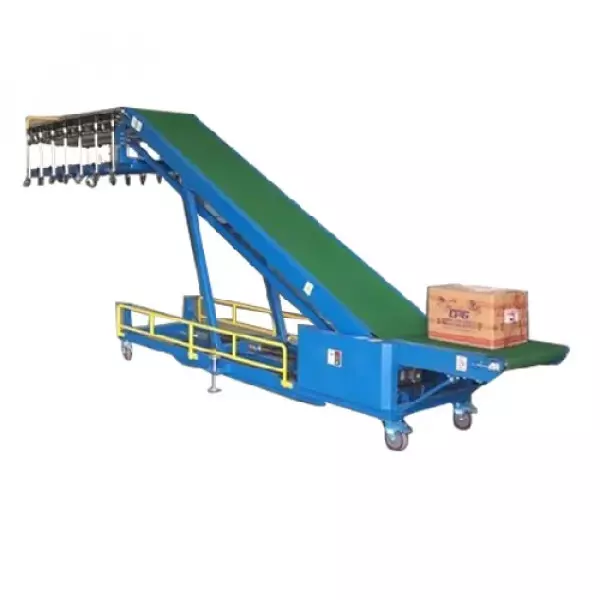
Loading Conveyors
Loading isn’t the same job at every site. Bags, bricks, tyres or other materials can each have a different transfe... Continue
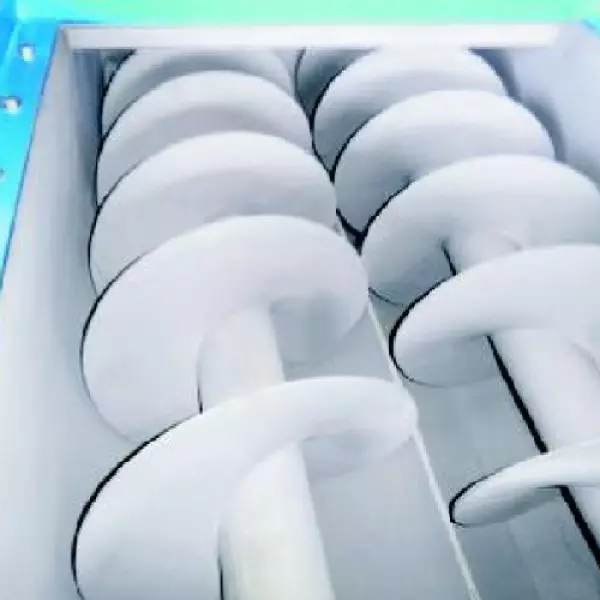
Screw Conveyor
Not every material handling job calls for a belt or roller arrangement. When the application requires material to travel... Continue
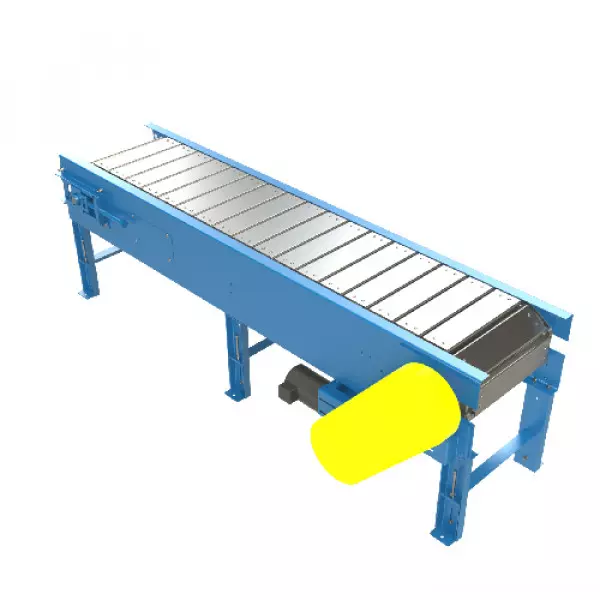
Chain Conveyors
Some material movement requirements call for a chain-based conveyor rather than a belt or screw arrangement. The right c... Continue
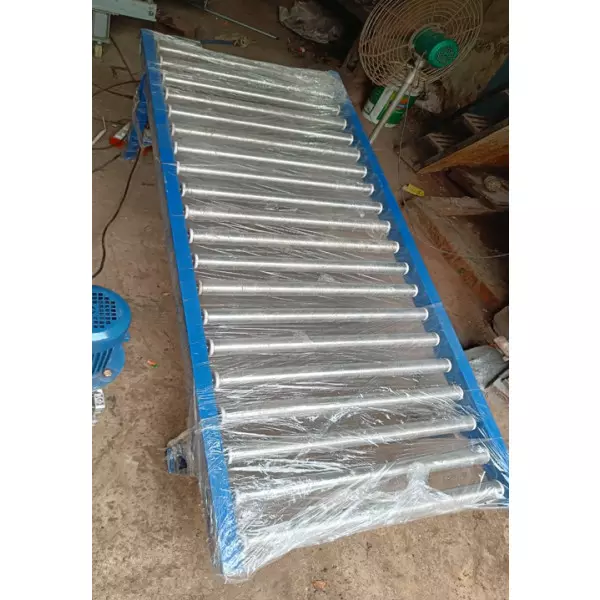
Roller Conveyor
Some products are better moved over a series of rollers than through a belt or chain-based conveyor arrangement. But eve... Continue
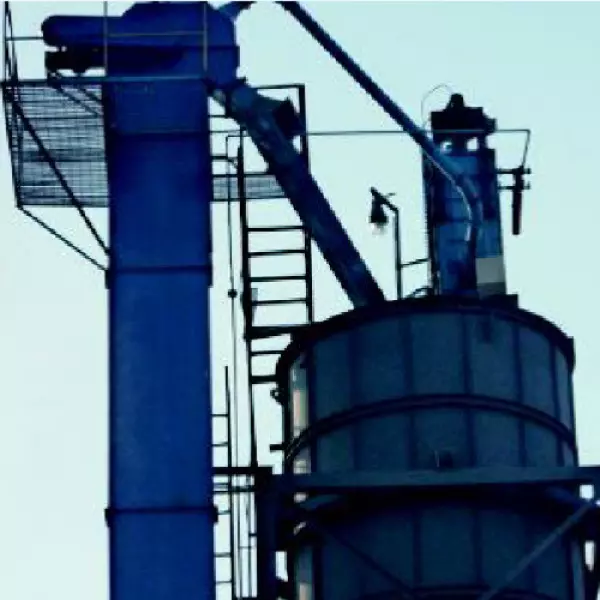
Bucket Elevator
Moving material upward is a different handling requirement from carrying it along a horizontal conveyor route. When the ... Continue
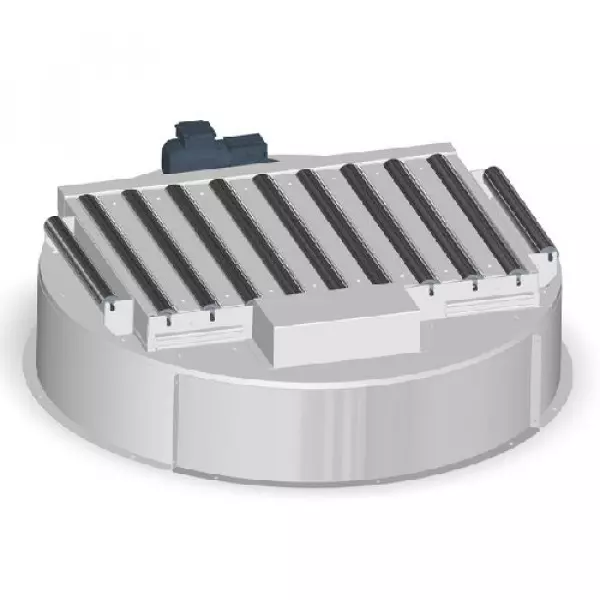
Turntable Conveyors
Material movement doesn’t always follow one straight conveyor line. At some working points, the product may need t... Continue
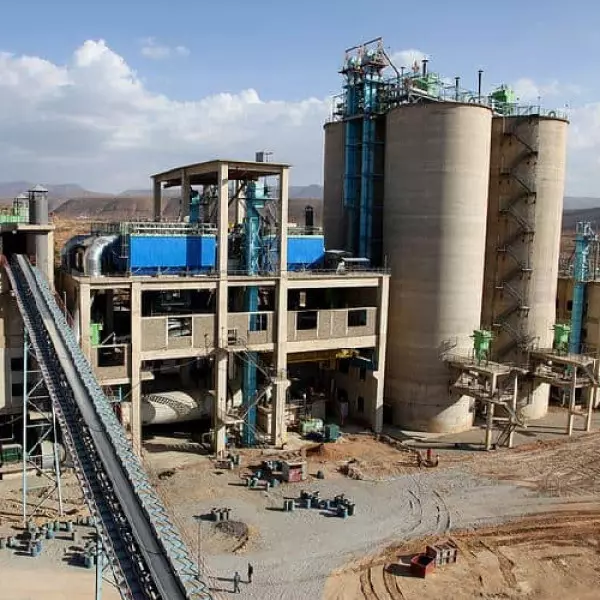
Bulk Material Handling
Bulk material doesn’t move through an industrial process in the same way as boxes, bottles or individual packed pr... Continue
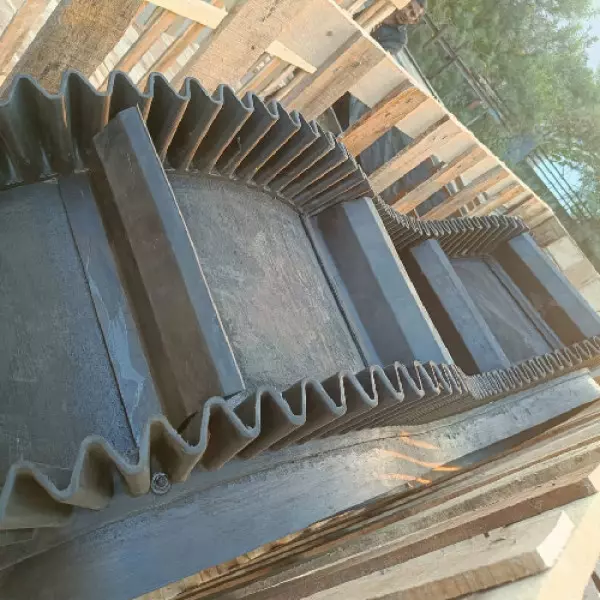
High Angle Cleated Belt Conveyor
When material has to move along a high-angle route, a standard flat belt arrangement may not match the handling requirem... Continue
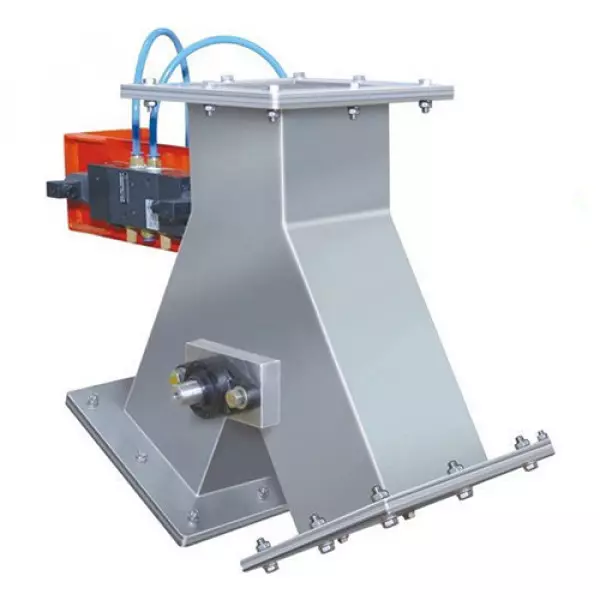
Gates & Divertors
A material handling route doesn’t always continue towards one destination. At certain points, the flow may need to... Continue
Spares Of Various Equipments
An industrial machine may continue doing its job for years, but its spare requirement can come up during regular operati... Continue