- Home
- About Us
- Products
- Conveyors
- Belt Conveyor
- Trough Type Belt Conveyors
- Food Grade Belt Conveyors
- Modular Belt Conveyors
- Flat Belt Conveyors
- PVC Belt Conveyors
- Cleated Belt Conveyor
- Sidewall Cleated Belt Conveyor
- Packing Belt Conveyor
- Packing Line Conveyor
- Bag Transfer Conveyor
- Box Shifting Conveyor
- Cold Storage Conveyor
- Inspection Belt Conveyor
- Inclined Belt Conveyor
- Assembly Line Conveyors
- Plastic Modular Belt Conveyor
- Plastic Modular Conveyors
- Portable Loading Conveyors
- Loading Conveyors
- Screw Conveyor
- Chain Conveyors
- Roller Conveyor
- Bucket Elevator
- Turntable Conveyors
- Bulk Material Handling
- High Angle Cleated Belt Conveyor
- Gates & Divertors
- Spares Of Various Equipments
- Belt Conveyor
- Feeder
- Dust Control Equipment
- Bag Filling Machine
- Vibratory Screen
- Crusher
- Baler
- Chemical Process Equipment
- Conveyors
- Updates
- Gallery
- Contact Us
Spares Of Various Equipments
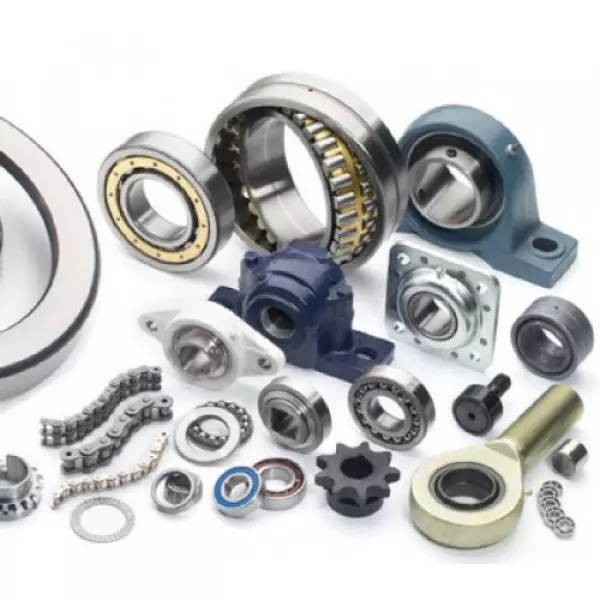
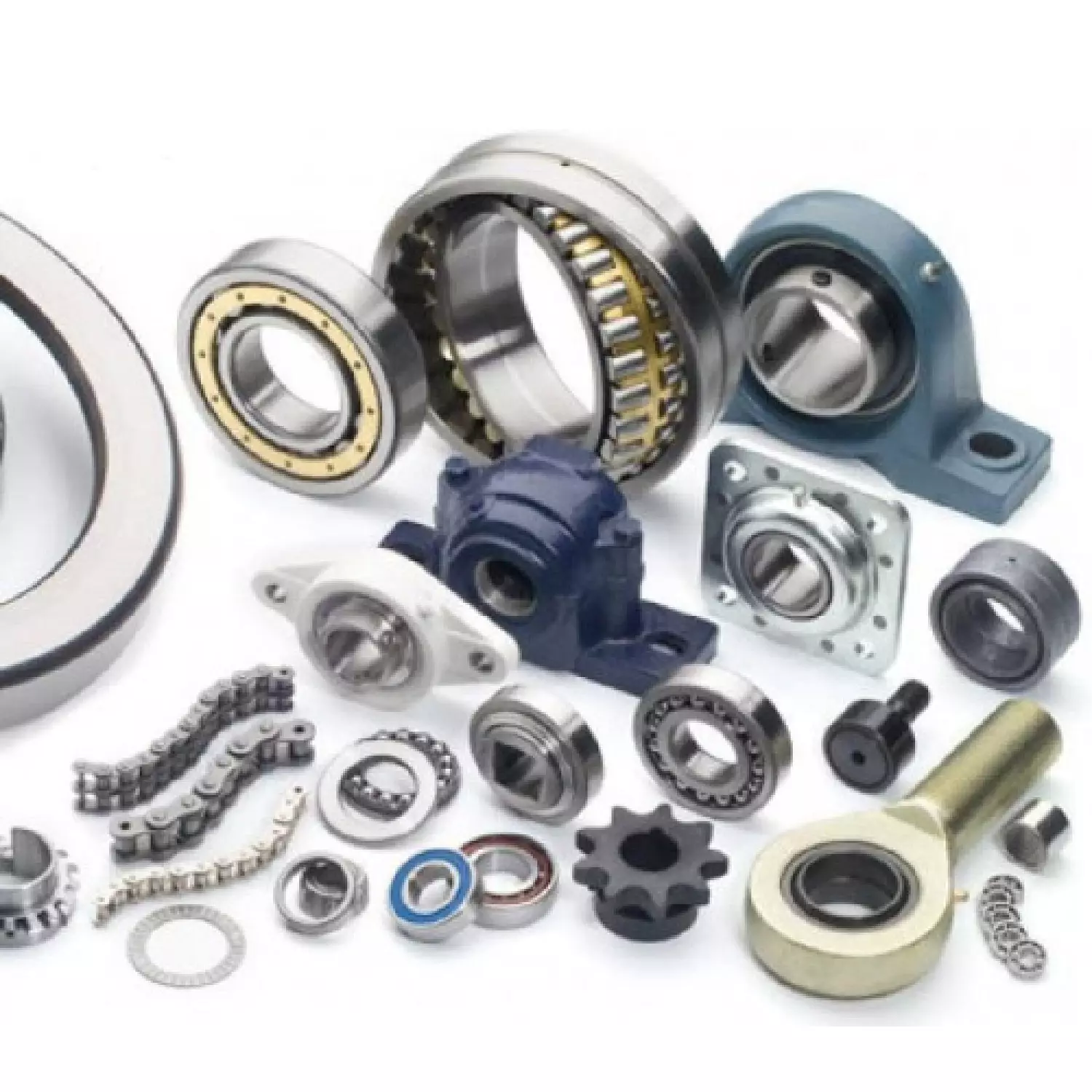
Spares Of Various Equipments Details
An industrial machine may continue doing its job for years, but its spare requirement can come up during regular operation or maintenance. The important part is identifying the equipment and the required spare correctly instead of making a selection from guesswork. We supply and export Spares of Various Equipments in Nepal for customer-specific industrial requirements.
We don’t list unsupported spare names or assume that one component will fit different equipment. Our team first understands the machine or equipment for which the spare is required. Customers can share the available equipment details and their specific spare requirement so we can review the request properly.
Start With the Equipment Details
The equipment information gives us the right starting point. We look at the customer’s requirement and the details provided for the required spare. This practical approach helps keep the discussion specific to the equipment instead of suggesting parts that may not match the application.
Information That Helps Us Review Your Requirement
| Required Detail | What to Share |
|---|---|
| Equipment | Name or details of the equipment |
| Spare Requirement | Details of the spare being requested |
| Application | Where the equipment is being used |
| Available Information | Relevant details available for identifying the requirement |
We’ve been involved in industrial equipment manufacturing since 2005. Our engineers and skilled team understand the importance of matching a spare requirement with the intended equipment. We work with attention to quality and customer-specific needs rather than treating every request as the same.
If you’re looking for Spares of Various Equipments in Nepal, send us the equipment information and required spare details. We’ll review your requirement and discuss the suitable supply option based on the information provided.
Related Products
Belt Conveyor
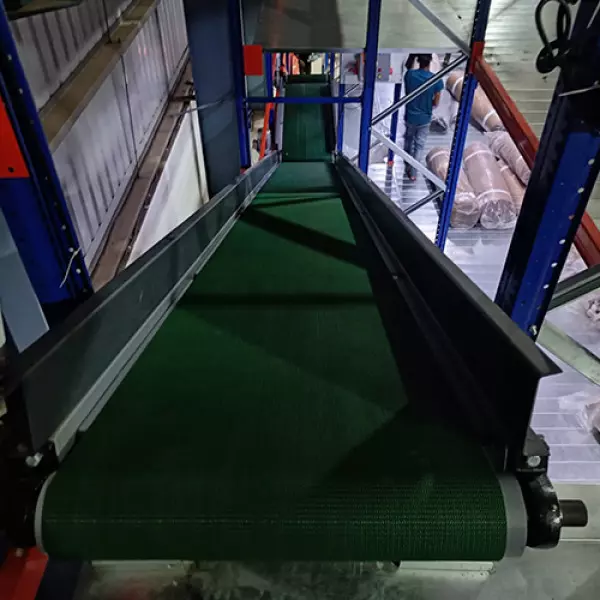
Not every material needs a complicated handling setup. Many jobs simply need a steady way to move products between work ... Continue
Inclined Belt Conveyor
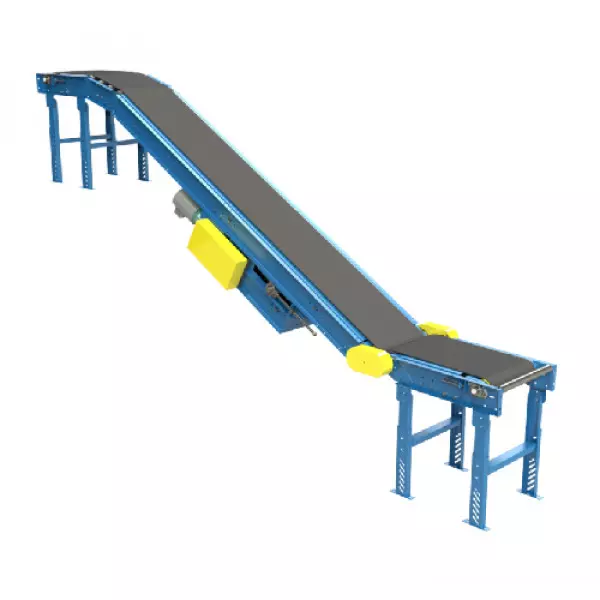
When material has to move from a lower point to a higher point, or between different working levels, a straight horizont... Continue
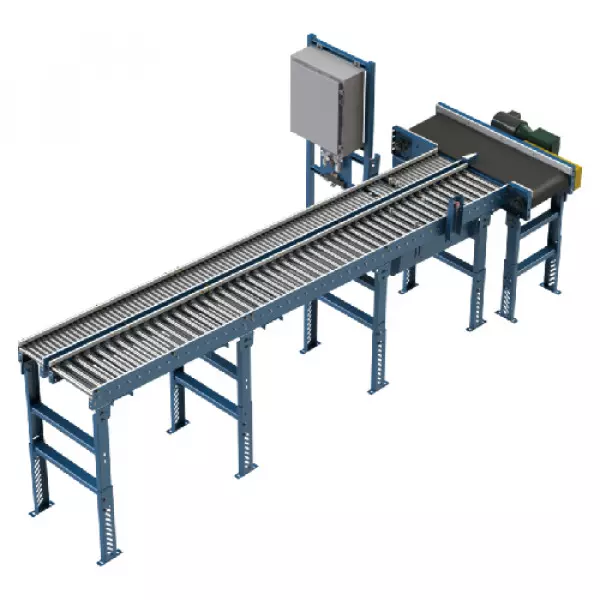
Assembly Line Conveyors
An assembly process works better when material has a clear path from one work point to the next. Too much manual shiftin... Continue
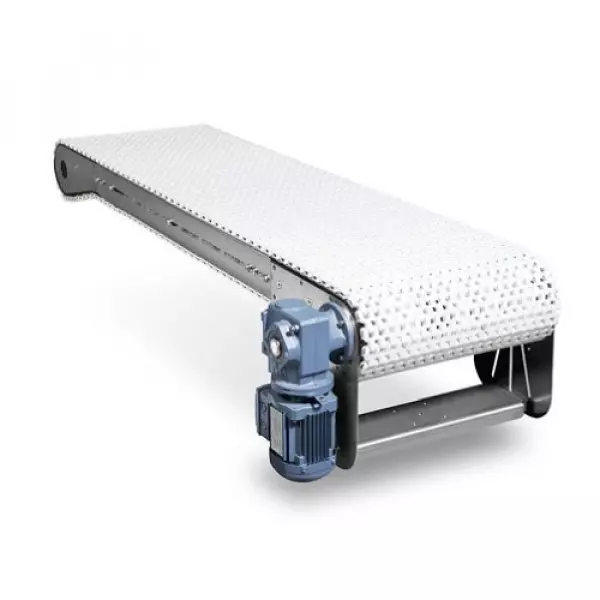
Plastic Modular Belt Conveyor
A conveyor belt doesn’t always have to be made as one continuous belt surface. Some handling jobs call for a modul... Continue
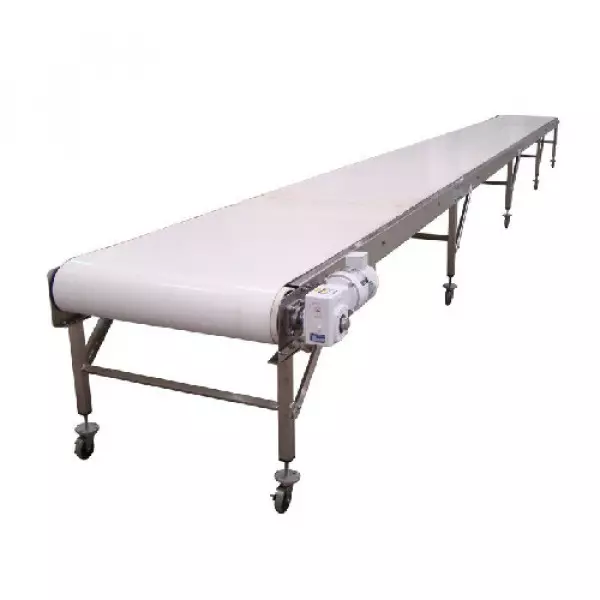
Plastic Modular Conveyors
A straight conveyor route is only one kind of material movement. Some production and handling layouts need products to m... Continue
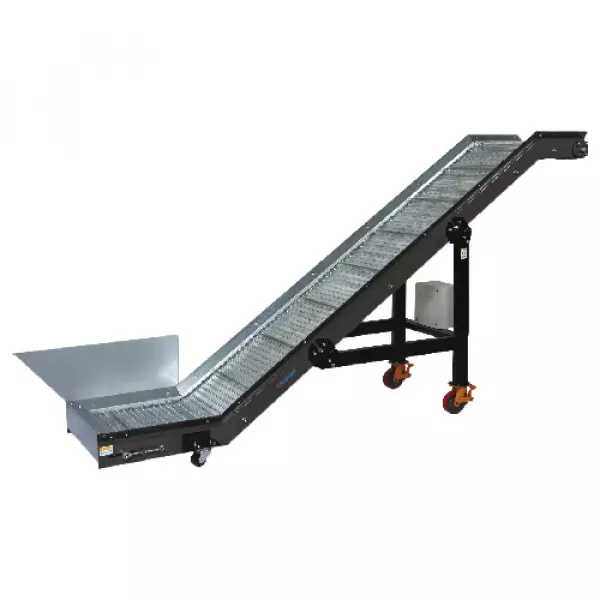
Portable Loading Conveyors
Loading work doesn’t always happen at one fixed point. When the working position changes, a fixed conveyor arrange... Continue
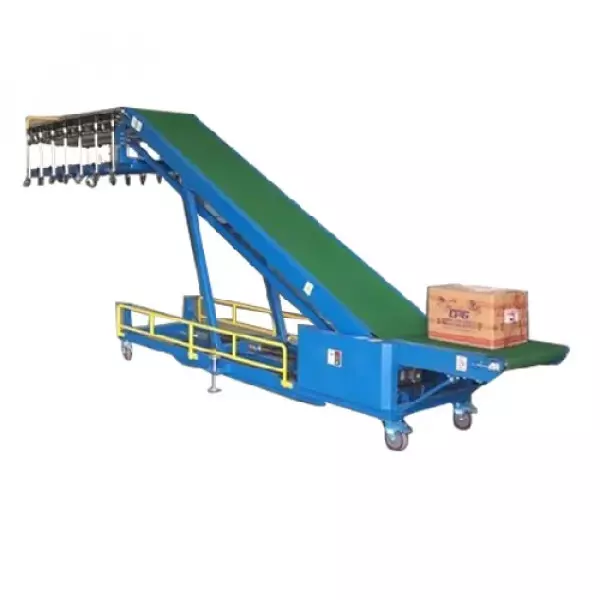
Loading Conveyors
Loading isn’t the same job at every site. Bags, bricks, tyres or other materials can each have a different transfe... Continue
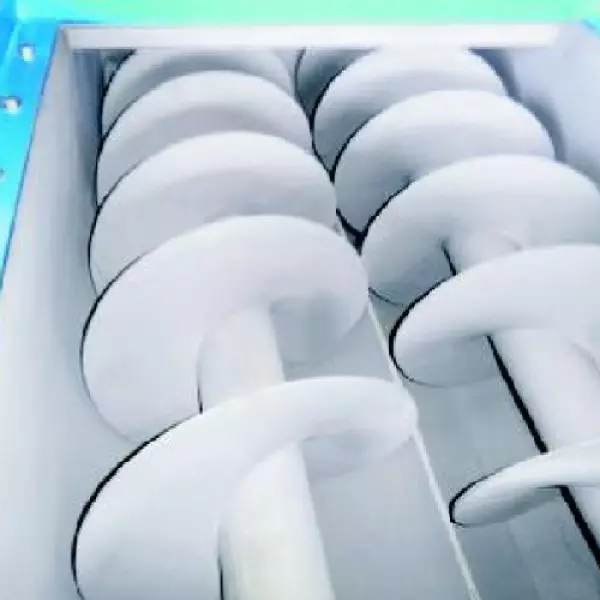
Screw Conveyor
Not every material handling job calls for a belt or roller arrangement. When the application requires material to travel... Continue
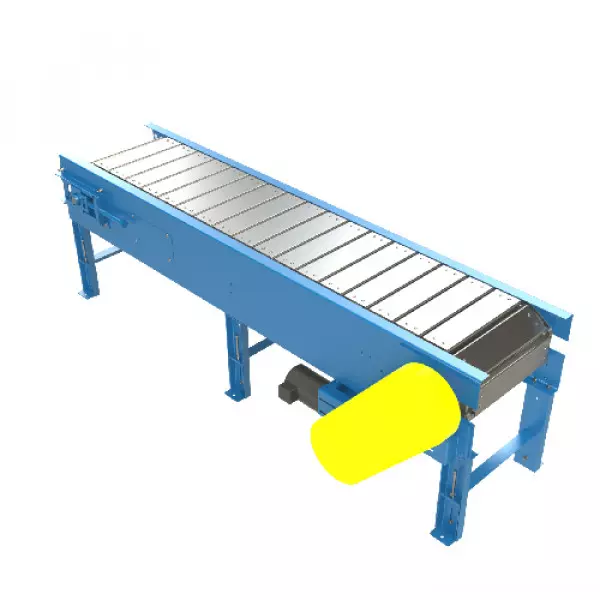
Chain Conveyors
Some material movement requirements call for a chain-based conveyor rather than a belt or screw arrangement. The right c... Continue
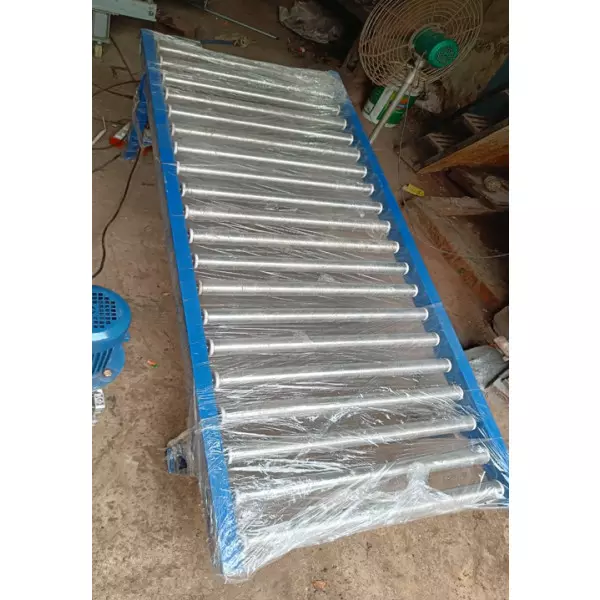
Roller Conveyor
Some products are better moved over a series of rollers than through a belt or chain-based conveyor arrangement. But eve... Continue
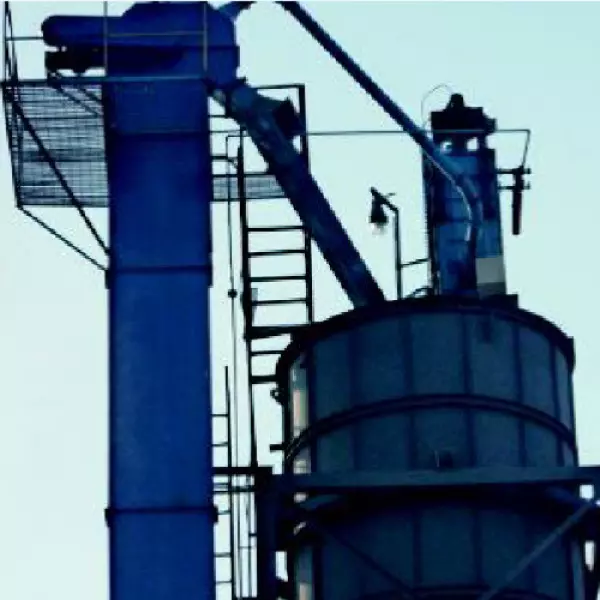
Bucket Elevator
Moving material upward is a different handling requirement from carrying it along a horizontal conveyor route. When the ... Continue
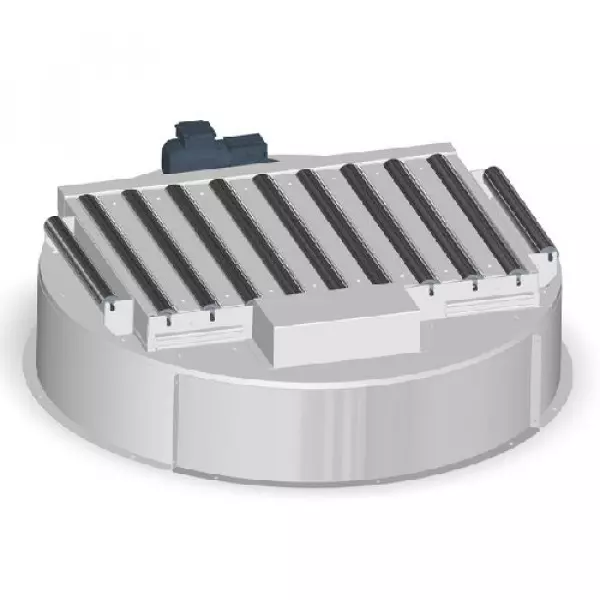
Turntable Conveyors
Material movement doesn’t always follow one straight conveyor line. At some working points, the product may need t... Continue
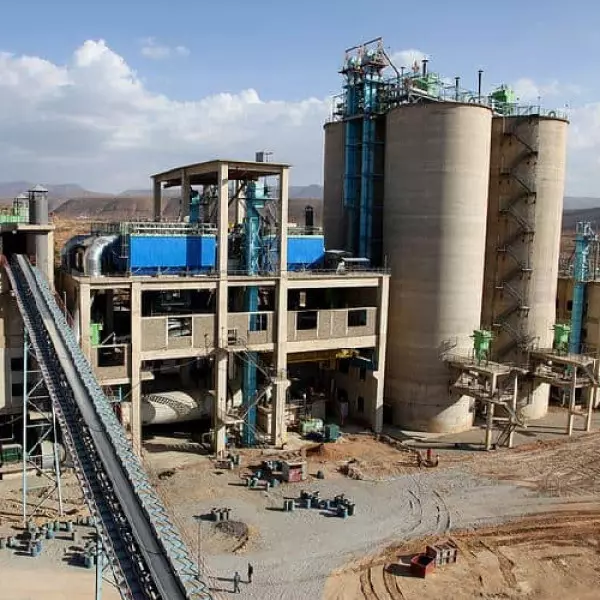
Bulk Material Handling
Bulk material doesn’t move through an industrial process in the same way as boxes, bottles or individual packed pr... Continue
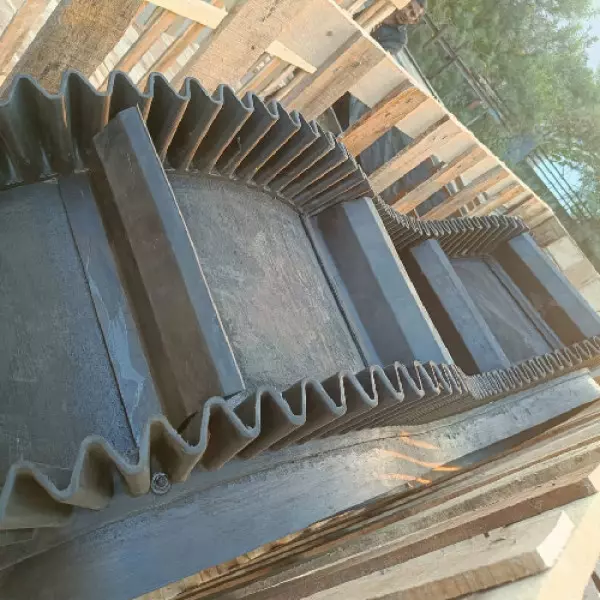
High Angle Cleated Belt Conveyor
When material has to move along a high-angle route, a standard flat belt arrangement may not match the handling requirem... Continue
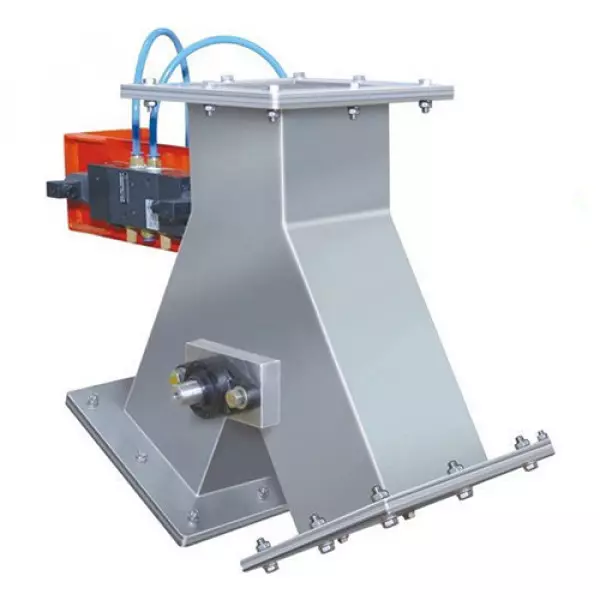
Gates & Divertors
A material handling route doesn’t always continue towards one destination. At certain points, the flow may need to... Continue