- Home
- About Us
- Products
- Conveyors
- Belt Conveyor
- Trough Type Belt Conveyors
- Food Grade Belt Conveyors
- Modular Belt Conveyors
- Flat Belt Conveyors
- PVC Belt Conveyors
- Cleated Belt Conveyor
- Sidewall Cleated Belt Conveyor
- Packing Belt Conveyor
- Packing Line Conveyor
- Bag Transfer Conveyor
- Box Shifting Conveyor
- Cold Storage Conveyor
- Inspection Belt Conveyor
- Inclined Belt Conveyor
- Assembly Line Conveyors
- Plastic Modular Belt Conveyor
- Plastic Modular Conveyors
- Portable Loading Conveyors
- Loading Conveyors
- Screw Conveyor
- Chain Conveyors
- Roller Conveyor
- Bucket Elevator
- Turntable Conveyors
- Bulk Material Handling
- High Angle Cleated Belt Conveyor
- Gates & Divertors
- Spares Of Various Equipments
- Belt Conveyor
- Feeder
- Dust Control Equipment
- Bag Filling Machine
- Vibratory Screen
- Crusher
- Baler
- Chemical Process Equipment
- Conveyors
- Updates
- Gallery
- Contact Us
Cleated Belt Conveyor Supplier In Hetauda
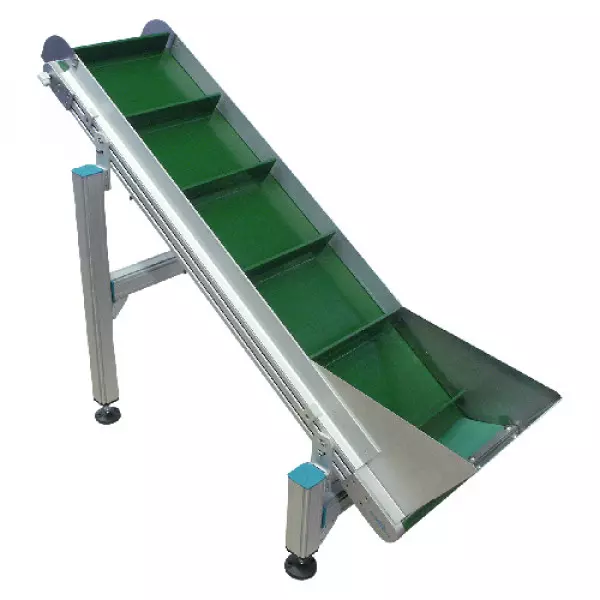
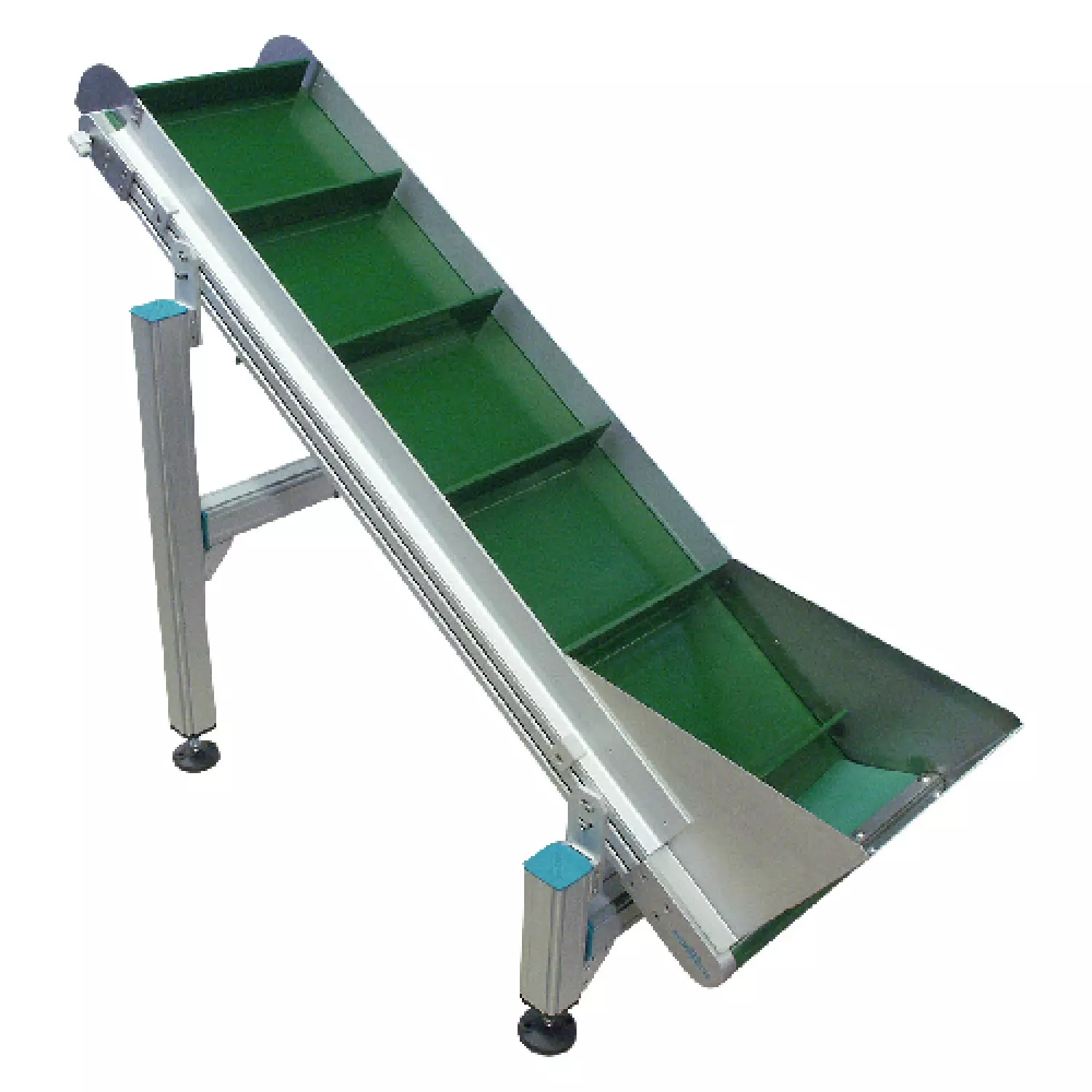
Details of Cleated Belt Conveyor
Supplying reliable and efficient cleated belt conveyor in Hetauda, we focus on understanding your requirements to provide tailored solutions. Our conveyors handle bulk materials that tend to slip or roll back on flat belts. They come with raised cleats attached firmly to the belt surface, which helps in holding the material securely during transfer.
The design varies according to the height of incline and type of material moved. Some systems use sidewall cleated belts for loose or fine bulk, making sure no spillage happens even at steep angles. We review site conditions carefully before recommending a particular model or setup.
Cleated belt conveyors can manage heavy loads without losing grip thanks to their structured belts and strong cleats. This makes them suitable for industries like cement, food processing, sugar handling, and coal transport where product safety and minimal waste are key factors.
Product Reliability Assured
Material Quality: Durable rubber or PVC belts with sturdy cleats resistant to wear
Performance: Sustained grip on materials even at higher inclines
Maintenance: Easy replacement of damaged cleats and belt segments when needed
Safety Features: Designed to reduce spillage and prevent load rollback
The warranty covers faults due to manufacturing defects within standard usage limits but excludes damages from improper installation or overloads. We always recommend trained teams for fitting conveyors on-site so that performance stays consistent over time.
Apart from delivering equipment, we work closely with customers during project planning phases. Knowing the exact kind of material — its weight, moisture content, flowability — helps us avoid over-engineered designs that add cost without value (this happens often). Instead, we prefer practical fixes addressing real operational needs rather than theoretical ideals.
Cleated belt conveyors also tie well into larger systems such as bucket elevators or screw conveyors where staged material movement is required across levels inside a plant layout. Coordinating these sections demands understanding timing issues plus physical constraints like space limitations near loading points (like conveyor junctions near gates).
If you want equipment options compared directly against each other based on your workload type or incline angle preferences, get in touch with us soon. We'll help you pick models suited exactly for your operation scale while keeping expenses reasonable enough not to strain budgets unnecessarily.
Offered Product